Some of the most practical ways to make a household more sustainable involve reducing unnecessary consumption and waste. Using less energy, choosing efficient products, reducing wasted food and buying only what is needed can conserve resources while often reducing household expenses as well. Preventing food waste is particularly important because discarded food wastes the energy, water and other resources used to produce and distribute it.
Transportation choices can also make a difference. When practical, walking, bicycling, public transportation, carpooling and combining errands can reduce the amount of fuel used for individual trips. At home, maintaining efficient heating and cooling systems, using efficient lighting and appliances, and avoiding unnecessary energy use are straightforward ways to reduce household resource consumption.
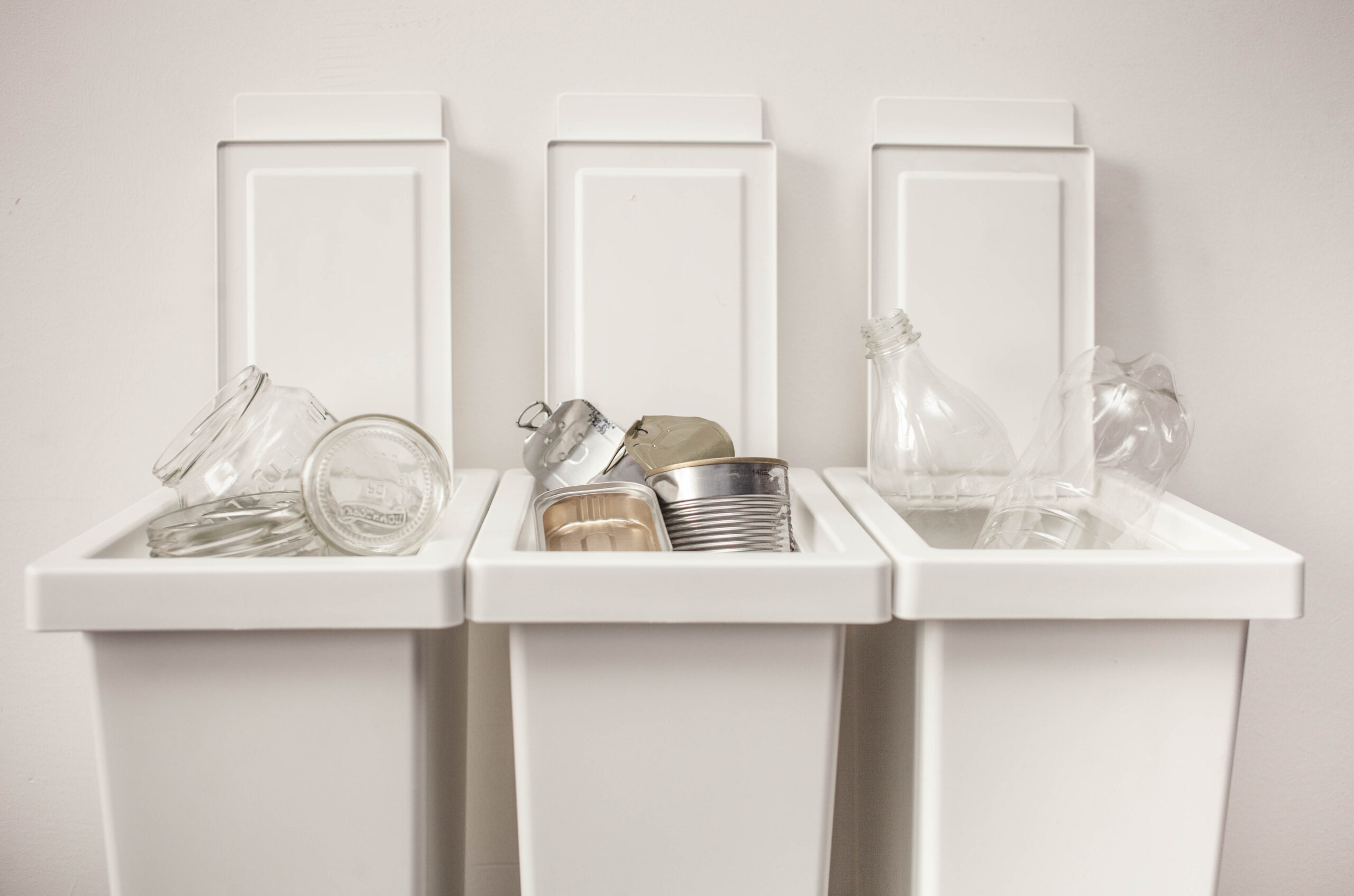
Waste reduction should begin before something reaches the recycling bin. Choosing reusable and durable products, repairing items when practical and avoiding unnecessary purchases can reduce the amount of material that must eventually be recycled or discarded. Recycling and composting remain important, but reducing consumption and reusing materials are generally preferable to managing them after they become waste.